
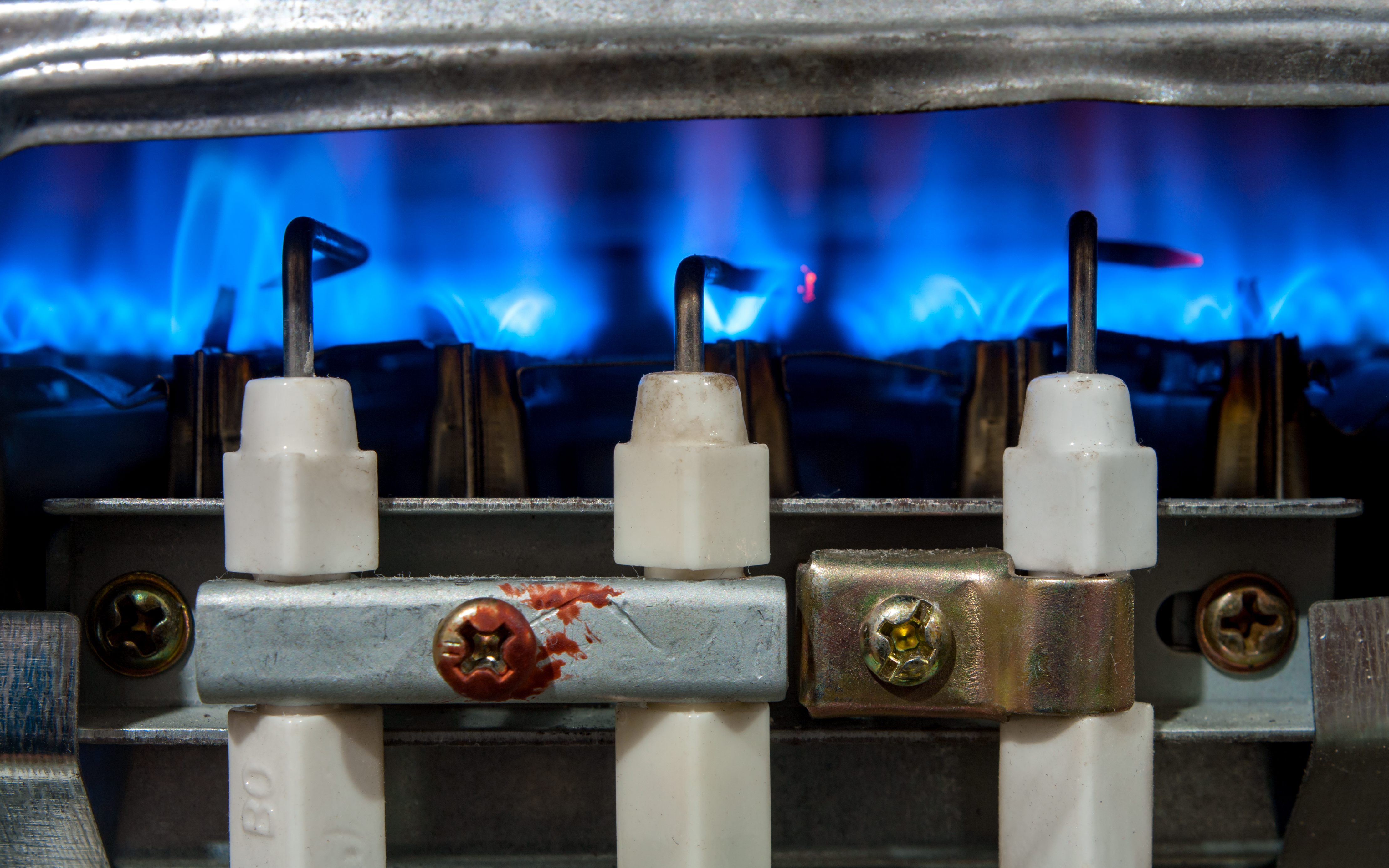
When your gas furnace will not start, the problem may be connected to the pilot light or ignition system. These parts are responsible for starting the combustion process that allows your furnace to produce heat. If they fail, your system may blow cool air, shut down quickly, or fail to start at all.
Some basic checks are safe for homeowners, but repairs involving gas, burners, or ignition components should be handled by a qualified HVAC technician. For homeowners in Oklahoma City, understanding the warning signs can help you know when a simple check may solve the problem and when it is time to schedule professional furnace repair.
What Causes Furnace Pilot Light and Ignition Problems?
Not every gas furnace uses the same ignition system. Older furnaces may use a standing pilot light that remains lit and ignites the burners when heat is needed. Many newer furnaces use electronic ignition instead. Depending on the system, an electronic igniter may create a spark or heat up to start the burners.
Several issues can prevent these systems from working correctly. A standing pilot light may go out and fail to stay lit. An electronic igniter can wear out or stop operating. Problems with furnace controls or safety switches can also prevent the burners from starting.
Other furnace issues may create similar symptoms. Dirty burners, problems with the gas supply, or maintenance-related concerns can interfere with normal ignition. Because several components work together during startup, the visible symptom does not always reveal the exact cause.
For example, a furnace that repeatedly starts and stops may have an ignition issue, but another safety or airflow problem may also be involved. A professional diagnosis helps identify the source before repairs are made.
What Can You Check Before Scheduling Furnace Repair?
If your furnace does not start, there are a few basic items you can safely check before requesting service.
First, confirm that your thermostat is set to heat. The temperature setting should also be higher than the current indoor temperature. If the thermostat is not requesting heat, the furnace will not begin its normal startup cycle.
Next, make sure the furnace has electrical power. Even a gas furnace requires electricity to operate controls, motors, and many ignition systems. Check the electrical panel for a tripped breaker. If the breaker trips again after being reset, stop troubleshooting and contact an HVAC technician.
You can also inspect your furnace filter. A heavily clogged filter can restrict airflow and contribute to furnace performance problems. Replace the filter if it is visibly dirty or overdue for replacement.
Routine furnace maintenance can also help identify airflow concerns and developing ignition problems before they cause an unexpected loss of heat.
Avoid removing furnace components or attempting repairs to gas valves, burners, or ignition parts yourself. If you smell gas, leave the area and follow appropriate emergency procedures. If a carbon monoxide alarm sounds, move to fresh air and follow the alarm manufacturer’s safety guidance rather than continuing to troubleshoot the furnace.
When Does an Ignition Failure Need Professional Repair?
Some furnace problems require more than a thermostat, breaker, or filter check. Schedule furnace repair if your system continues to have trouble starting or staying on.
Common signs of an ignition-related problem may include a pilot light that repeatedly goes out, burners that fail to ignite, or a furnace that repeatedly attempts to start without producing heat. You may also notice the furnace beginning a heating cycle and shutting down soon afterward.
An HVAC technician can inspect the furnace’s ignition components, burners, controls, gas connections, and safety systems. This allows the technician to determine whether the ignition system itself is responsible or whether another furnace issue is creating similar symptoms.
Professional diagnosis is especially important because modern furnaces include safety controls designed to stop operation when certain conditions are detected. Simply replacing an ignition component without identifying the underlying cause may not correct the problem.
Maintenance can also reduce the chance of being surprised by a furnace that will not start. During a maintenance visit, a technician can inspect important heating components and look for signs of wear or improper operation.
Get Help With Furnace Ignition Problems in Oklahoma City
A furnace that will not ignite can quickly become an inconvenience, especially when outdoor temperatures drop. Instead of repeatedly attempting to restart the system, have an experienced technician determine why it is not completing its normal startup cycle.
TS Heat & Air has served homeowners since 1983 with family-owned and operated HVAC service. We provide personalized support, 24/7 live answering, and access to 24/7 emergency service when an urgent heating problem needs attention.
Contact TS Heat & Air to schedule furnace service in Oklahoma City and get help diagnosing pilot light or ignition problems in your home.
